
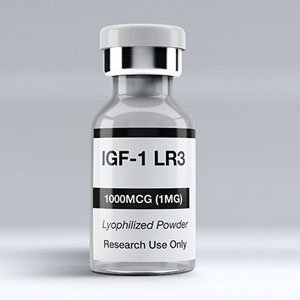
IGF-1 LR3 Peptide – Advanced Long-Acting Growth Factor Peptide for Research and Performance Support
IGF-1 LR3 peptide has become one of the most discussed compounds in the peptide and research community due to its long-acting structure, powerful biological activity, and wide range of applications in performance, recovery, muscle growth, and cellular research. Known for its enhanced stability and extended half-life compared to standard IGF-1, IGF-1 LR3 is widely recognized among researchers and advanced users seeking a highly active growth factor analog.
Designed with a modified amino acid structure, IGF-1 LR3 offers prolonged activity in the body, making it a preferred option in many laboratory and research settings. Its ability to interact with insulin-like growth factor receptors has made it an important subject of study in muscle development, recovery mechanisms, nutrient partitioning, and tissue regeneration.
Whether you are researching peptide science, exploring advanced growth factor compounds, or seeking a deeper understanding of long-acting IGF peptides, IGF-1 LR3 continues to stand out as one of the most sought-after compounds in the category.
What Is IGF-1 LR3 Peptide?
IGF-1 LR3 peptide stands for Insulin-Like Growth Factor-1 Long Arg3. It is a modified version of the naturally occurring IGF-1 hormone with structural changes designed to improve stability and increase its active lifespan.
The peptide contains:
- An arginine substitution at the third amino acid position
- An extended amino acid chain compared to standard IGF-1
These modifications significantly reduce binding to IGF-binding proteins, allowing the peptide to remain active longer and interact more effectively with target receptors.
Because of these enhancements, IGF-1 LR3 is considered a long-acting analog with stronger and more sustained biological activity than traditional IGF-1.
Key Features of IGF-1 LR3 Peptide
- Long-acting IGF analog
- Enhanced peptide stability
- Extended half-life compared to regular IGF-1
- High receptor affinity
- Reduced binding protein interference
- Popular in peptide and growth factor research
- Widely studied for muscle and recovery applications
Understanding How IGF-1 LR3 Works
IGF-1 LR3 interacts with insulin-like growth factor receptors throughout the body. These receptors play a role in several biological processes related to growth, recovery, nutrient utilization, and cellular activity.
The structural modifications in LR3 help:
- Increase peptide activity duration
- Improve receptor interaction
- Reduce rapid breakdown
- Enhance overall biological availability
Because of its extended activity, IGF-1 LR3 is often researched for applications where prolonged signaling may offer advantages over shorter-acting peptides.
Why IGF-1 LR3 Is Popular in Research
Extended Half-Life
One of the primary reasons researchers prefer IGF-1 LR3 peptide is its significantly longer half-life compared to standard IGF-1.
Standard IGF-1:
- Short active duration
IGF-1 LR3:
- Prolonged activity window
- Greater systemic exposure
This longer activity allows for sustained interaction with receptors and more extended biological signaling.
High Biological Activity
IGF-1 LR3 peptide is known for its strong receptor interaction. Because it binds less aggressively to IGF-binding proteins, more of the peptide remains biologically active.
This has made it an important compound in studies related to:
- Muscle cell development
- Recovery processes
- Cellular growth pathways
- Nutrient uptake and partitioning
Advanced Peptide Engineering
The peptide’s modified structure demonstrates how modern peptide engineering can improve stability and effectiveness. This enhanced design is one of the key reasons for its continued popularity in advanced peptide research.
Potential Research Areas for IGF-1 LR3
IGF-1 LR3 peptide is commonly studied in relation to:
Muscle Growth Research
Researchers often explore IGF-1 LR3 peptide for its role in:
- Muscle hypertrophy pathways
- Cellular growth signaling
- Protein synthesis activity
Its interaction with growth factor receptors makes it especially interesting in muscle-related studies.
Recovery and Regeneration Studies
Another major research area involves recovery and tissue regeneration.
Studies often investigate:
- Recovery speed mechanisms
- Cellular repair pathways
- Tissue regeneration responses
Nutrient Partitioning Research
IGF-1 LR3 peptide is also examined for its potential role in nutrient utilization and partitioning.
This includes research into:
- Glucose metabolism
- Amino acid uptake
- Cellular nutrient transport
Cellular Growth Pathways
Researchers continue studying how IGF-1 LR3 peptide interacts with signaling pathways related to:
- Cellular proliferation
- Tissue development
- Growth factor communication
Benefits Associated with IGF-1 LR3 Research
Long-Lasting Activity
Its extended duration is one of its most valuable characteristics.
Enhanced Stability
Structural modifications help improve peptide integrity and activity.
Reduced Binding Protein Interaction
Allows more active peptide to remain available.
Strong Research Interest
Widely studied in performance and recovery-related applications.
Advanced Growth Factor Analog
Represents a more refined and engineered form of IGF-related peptides.
IGF-1 LR3 vs Standard IGF-1
Half-Life
- Standard IGF-1: Shorter duration
- IGF-1 LR3: Much longer activity
Stability
- Standard IGF-1: More susceptible to binding proteins
- IGF-1 LR3: Improved stability and availability
Biological Activity
- Standard IGF-1: Rapid action but shorter lifespan
- IGF-1 LR3: Sustained receptor interaction
These differences are why LR3 is often preferred for advanced research applications.
Peptide Quality and Purity
High-quality IGF-1 LR3 peptide products are typically:
- Laboratory tested
- Manufactured under strict standards
- Carefully purified for research consistency
Purity is extremely important in peptide research because impurities may affect study outcomes and stability.
Storage and Handling
Proper storage is essential for maintaining peptide integrity.
Storage Recommendations
- Store in a cool environment
- Protect from direct sunlight
- Avoid excessive heat exposure
- Follow handling guidelines carefully
Many peptide products are stored refrigerated to maintain stability after reconstitution.
Why Researchers Choose IGF-1 LR3
Proven Popularity
IGF-1 LR3 peptide remains one of the most widely recognized growth factor peptides in advanced research circles.
Long-Acting Structure
Its enhanced half-life provides a significant advantage in prolonged activity studies.
Broad Research Applications
Useful across multiple peptide and biological research areas.
Advanced Design
Represents a more engineered and optimized peptide analog.
The Growing Popularity of Peptide Research
Peptide science continues to grow rapidly as researchers explore new compounds for cellular signaling, tissue research, and performance-related studies.
IGF-1 LR3 peptide stands at the forefront of this movement due to:
- Strong biological activity
- Advanced peptide engineering
- Long-lasting functionality
- Extensive research interest
As peptide technology evolves, compounds like IGF-1 LR3 peptide continue to gain attention for their versatility and potential applications.
Frequently Asked Questions About IGF-1 LR3
What does LR3 mean?
LR3 refers to the structural modifications made to the peptide, including the arginine substitution and extended amino acid sequence.
Why is IGF-1 LR3 considered long-acting?
Its modified structure reduces interaction with binding proteins and slows breakdown, extending its active duration.
Is IGF-1 LR3 stronger than standard IGF-1?
It is generally considered more active over a longer period due to its enhanced stability and extended half-life.
Why is peptide purity important?
High purity helps ensure consistency, stability, and accurate research outcomes.
Final Thoughts
IGF-1 LR3 peptide remains one of the most respected and widely researched compounds in the peptide industry. Its long-acting structure, enhanced stability, and strong biological activity make it a standout option for advanced growth factor and cellular signaling research.
From muscle growth and recovery studies to nutrient partitioning and tissue regeneration research, IGF-1 LR3 continues to attract attention for its versatility and engineered performance. Its unique design allows for prolonged receptor interaction, making it one of the most advanced IGF analogs available for modern peptide research.
For researchers and peptide enthusiasts seeking a premium long-acting growth factor analog, IGF-1 LR3 continues to set the standard in quality, innovation, and research potential.
Reviews
There are no reviews yet.