
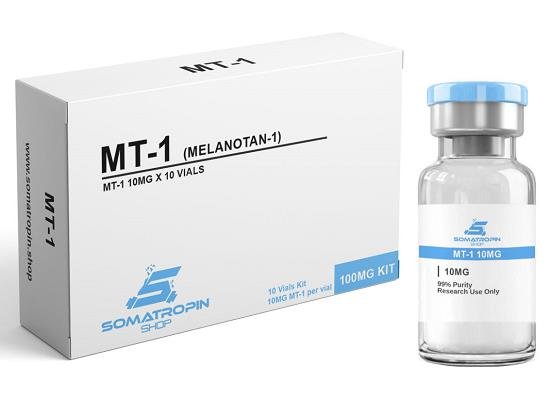
Melanotan 1 Peptide – Advanced Tanning Peptide for Skin Pigmentation Support and UV Protection Research
Melanotan 1 Peptide has become one of the most discussed peptide compounds in modern research communities focused on skin pigmentation, tanning response, and melanocortin science. Known for its ability to stimulate melanin production through melanocortin receptor activation, Melanotan 1 is widely researched for its role in promoting a darker skin tone while potentially supporting the skin’s natural response to ultraviolet exposure.
As interest in peptide-based wellness and cosmetic research continues to expand, Melanotan 1 Peptide remains a leading compound among researchers looking for advanced melanogenesis support. Its growing popularity is driven by its reputation for consistent results, long-lasting activity, and targeted mechanism of action.
Whether you are researching peptide technologies, melanocyte stimulation, or pigmentation science, Melanotan 1 Peptide stands out as a highly recognized compound within the peptide research market.
What Is Melanotan 1 Peptide?
Melanotan 1 Peptide is a synthetic analog of alpha-melanocyte-stimulating hormone, commonly referred to as α-MSH. It was developed to mimic the body’s natural melanocortin activity and is researched primarily for its effects on melanin production.
Melanin is the pigment responsible for skin, hair, and eye coloration. By stimulating melanocortin receptors, particularly MC1R, Melanotan 1 Peptide is studied for its ability to increase eumelanin production, resulting in darker pigmentation.
Unlike temporary tanning products that only affect the outer layer of the skin, Melanotan 1 works through internal melanogenesis pathways, making it a unique area of peptide research.
How Melanotan 1 Peptide Works
Melanotan 1 Peptide interacts with melanocortin receptors in the body, especially those associated with pigmentation pathways. Once activated, these receptors stimulate melanocytes, the cells responsible for producing melanin.
Key Functions Studied in Research:
- Stimulation of melanin synthesis
- Increased pigmentation response
- Support for tanning development
- Enhanced melanocyte activity
- Potential reduction in UV sensitivity research models
The peptide is particularly associated with the production of eumelanin, the darker form of melanin that is often linked to deeper and longer-lasting pigmentation.
Why Melanotan 1 Peptide Is Popular
Advanced Peptide Technology
Melanotan 1 is part of a growing category of precision peptides designed to target specific biological pathways with improved stability and activity.
Consistent Research Interest
Researchers continue to study Melanotan 1 due to its established role in melanocortin receptor interaction and pigmentation science.
Long-Lasting Activity
Compared to naturally occurring α-MSH, Melanotan 1 is designed with greater stability, allowing for prolonged activity during research applications.
Widely Recognized in Tanning Research
The peptide has become one of the best-known compounds associated with tanning peptide research and melanogenesis studies.
Key Features of Melanotan 1 Peptide
- Synthetic analog of α-MSH
- Designed for melanocortin receptor research
- Studied for melanin production support
- Long-lasting peptide activity
- High purity peptide formulation
- Popular in pigmentation research
- Commonly associated with tanning studies
- Stable peptide structure for advanced applications
Understanding Melanin and Pigmentation
Melanin is a natural pigment produced by melanocytes in the skin. It serves multiple biological functions and contributes to skin tone and UV response.
Types of Melanin:
- Eumelanin: Dark brown or black pigment
- Pheomelanin: Red or yellow pigment
Melanotan 1 research focuses heavily on eumelanin production due to its association with darker pigmentation and UV response.
Research Areas Associated with Melanotan 1 Peptide
Tanning and Pigmentation Studies
Melanotan 1 is primarily researched for its effects on tanning development and skin darkening.
UV Exposure Research
Some studies investigate how increased melanin production may affect the skin’s natural response to ultraviolet exposure.
Melanocortin Receptor Research
The peptide is also studied for its interaction with melanocortin receptors and broader melanocortin system functions.
Cosmetic Peptide Science
Melanotan 1 is frequently discussed in cosmetic and aesthetic peptide research communities focused on pigmentation enhancement.
Benefits Commonly Associated with Melanotan 1 Research
Enhanced Melanin Production
One of the main reasons for its popularity is its association with increased melanin synthesis.
Deeper Pigmentation Development
Research often focuses on darker and more sustained tanning responses.
Long-Acting Peptide Structure
Its modified peptide design allows for improved stability compared to natural α-MSH.
Precision Targeting
Melanotan 1 is studied for its targeted action on melanocortin pathways.
High Purity Peptide Formulation
Quality is critical when it comes to peptide research compounds. High-purity Melanotan 1 Peptide products are manufactured using advanced synthesis and purification techniques.
Quality Features:
- Research-grade peptide quality
- Stable lyophilized powder format
- Carefully controlled production standards
- Designed for advanced peptide research applications
Storage and Stability
Proper storage helps maintain peptide integrity and stability.
Recommended Storage Guidelines:
- Store in a cool, dry environment
- Protect from direct sunlight
- Refrigerate after reconstitution if applicable
- Avoid repeated temperature fluctuations
Maintaining proper storage conditions is essential for preserving peptide quality during research use.
What Makes Melanotan 1 Different from Other Peptides?
Specialized Pigmentation Focus
Unlike many peptides aimed at muscle recovery or performance research, Melanotan 1 is specifically associated with melanogenesis and pigmentation pathways.
Melanocortin Receptor Activity
Its targeted receptor interaction makes it unique within peptide science.
Strong Recognition in Tanning Research
Melanotan 1 remains one of the most recognized names in tanning peptide discussions and pigmentation studies.
Growing Interest in Peptide Research
Peptides have become a major focus in advanced research due to their ability to interact with highly specific biological targets. Melanotan 1 is part of this growing movement toward precision biological compounds.
Reasons Peptides Are Popular:
- Targeted biological activity
- High specificity
- Expanding cosmetic and wellness research interest
- Advanced molecular engineering
Melanotan 1 continues to gain attention as researchers explore the broader applications of melanocortin science.
Ideal Research Applications
Melanotan 1 Peptide is commonly discussed in relation to:
- Pigmentation studies
- Tanning response research
- Melanocyte activity research
- Cosmetic peptide exploration
- UV response investigations
- Melanocortin receptor studies
Important Research Considerations
As with all peptide compounds, proper handling and responsible research practices are essential.
Best Practices:
- Use appropriate laboratory procedures
- Follow peptide storage recommendations
- Maintain sterile handling conditions where applicable
- Document dosage and research observations carefully
Frequently Asked Questions About Melanotan 1 Peptide
What is Melanotan 1 Peptide used for in research?
It is primarily studied for melanin production, pigmentation development, and melanocortin receptor activity.
How does Melanotan 1 differ from standard tanning products?
Unlike topical tanning products, Melanotan 1 works through internal melanogenesis pathways.
Why is Melanotan 1 popular?
Researchers are interested in its targeted mechanism, stability, and association with pigmentation studies.
Is Melanotan 1 considered a peptide?
Yes, it is a synthetic peptide analog derived from α-MSH.
Variable Keywords for SEO Optimization
melanotan 1 peptide, melanotan peptide, tanning peptide research, melanotan 1 research peptide, melanocortin peptide, pigmentation peptide, melanin production peptide, alpha msh analog peptide, peptide tanning compound, melanocyte stimulation peptide, premium melanotan peptide, research grade melanotan 1, advanced tanning peptide, skin pigmentation peptide, cosmetic peptide research, melanogenesis peptide, melanocortin receptor peptide, high purity melanotan 1, synthetic tanning peptide, peptide for pigmentation research, tanning support peptide, eumelanin peptide research, long lasting tanning peptide, melanotan peptide compound, peptide science melanotan
The Future of Pigmentation Peptide Research
As peptide science continues to evolve, compounds like Melanotan 1 are expected to remain important within melanogenesis and cosmetic peptide research. Interest in targeted pigmentation support and melanocortin receptor pathways continues to grow, driving further exploration of peptide technologies.
Researchers are increasingly drawn to peptides because of their precision and adaptability, and Melanotan 1 stands as one of the most recognized compounds within this field.
Final Thoughts
Melanotan 1 Peptide has established itself as one of the leading compounds in pigmentation and tanning peptide research. Known for its association with melanin production, melanocortin receptor activation, and long-lasting activity, it continues to attract significant attention in advanced peptide science.
With its specialized focus, stable structure, and strong reputation within tanning research communities, Melanotan 1 Peptide remains a standout option for researchers exploring melanogenesis, pigmentation pathways, and cosmetic peptide technologies.
Reviews
There are no reviews yet.