
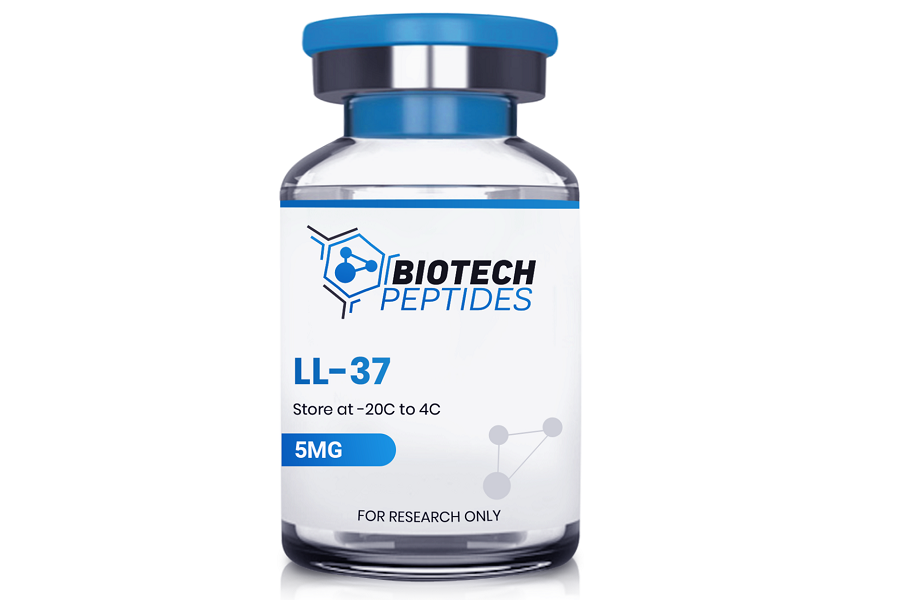
LL-37 Peptide – Advanced Antimicrobial Peptide for Research, Immune Support Studies, and Cellular Defense Applications
LL-37 peptide has become one of the most talked-about bioactive peptides in modern scientific research due to its unique antimicrobial, immunomodulatory, and regenerative properties. As the only human cathelicidin peptide identified to date, LL-37 has gained attention in laboratories and research environments focused on immune response, tissue repair, inflammation regulation, skin health, and cellular defense mechanisms.
Researchers studying advanced peptide compounds continue to explore LL-37 because of its broad biological activity and its role in supporting natural defense pathways. Known for its ability to interact with bacterial membranes, immune signaling pathways, and inflammatory processes, LL-37 peptide represents a highly versatile compound within peptide science.
Whether being investigated for antimicrobial peptide research, regenerative applications, or immune system modulation, LL-37 stands out as a powerful and multifunctional research peptide with expanding scientific interest across multiple fields.
What Is LL-37 Peptide?
LL-37 is a naturally occurring antimicrobial peptide derived from the human cathelicidin antimicrobial protein known as hCAP18. It consists of 37 amino acids and begins with two leucine residues, which is how the peptide received the name “LL-37.”
This peptide plays an important role in the body’s innate immune system and is involved in natural defense responses against bacteria, viruses, fungi, and inflammatory triggers. Researchers have studied LL-37 extensively because of its ability to interact with microbial membranes while also influencing immune cell signaling and tissue repair processes.
Unlike many peptides that serve a singular purpose, LL-37 demonstrates broad-spectrum biological activity, making it one of the more versatile compounds in peptide research.
Key Features of LL-37 Peptide
- Naturally occurring human antimicrobial peptide
- Composed of 37 amino acids
- Broad-spectrum antimicrobial research applications
- Studied for immune response modulation
- Investigated for tissue regeneration support
- Research interest in inflammatory pathway regulation
- Popular in advanced peptide studies
- Frequently explored in skin and wound healing research
Why Researchers Are Interested in LL-37
Scientific interest in LL-37 peptide has increased significantly because of its wide-ranging biological functions. Unlike traditional compounds that target one specific pathway, LL-37 interacts with multiple systems simultaneously.
Broad-Spectrum Antimicrobial Activity
One of the primary reasons LL-37 has become widely studied is its antimicrobial action. Researchers investigate its interaction with:
- Gram-positive bacteria
- Gram-negative bacteria
- Viral structures
- Fungal organisms
Its membrane-disrupting properties make it particularly interesting in studies involving microbial resistance and natural immune defense mechanisms.
Immune System Research
LL-37 has also been explored for its role in modulating immune responses. Studies suggest the peptide may influence:
- Cytokine signaling
- Immune cell recruitment
- Inflammatory responses
- Cellular communication pathways
Because immune balance is essential to overall health and recovery processes, LL-37 continues to attract attention in immunology research.
Tissue and Cellular Repair Studies
Another major area of interest involves tissue regeneration and repair mechanisms. Researchers have examined LL-37 in relation to:
- Skin regeneration
- Cellular migration
- Wound healing models
- Tissue remodeling processes
This has made LL-37 particularly relevant in regenerative medicine research environments.
Understanding the Mechanism of LL-37
LL-37 operates differently from many conventional compounds. Rather than targeting a single receptor or isolated process, it demonstrates multiple biological interactions.
Membrane Interaction
One of the best-known mechanisms involves the peptide’s interaction with microbial cell membranes. Researchers believe LL-37 may destabilize harmful microbial membranes, contributing to its antimicrobial activity.
Immune Signaling Modulation
LL-37 may also influence signaling pathways involved in immune communication and inflammatory responses.
Chemotactic Activity
Studies have explored LL-37’s ability to attract immune cells to targeted areas, potentially supporting natural defense and repair mechanisms.
Cellular Regeneration Research
The peptide has also been investigated for its potential role in promoting healthy tissue response and cellular turnover.
Potential Research Areas for LL-37 Peptide
LL-37 peptide continues to be studied across multiple scientific disciplines due to its versatile biological activity.
Antimicrobial Peptide Research
Researchers are exploring LL-37 as part of broader investigations into natural antimicrobial compounds and microbial resistance challenges.
Immune System Studies
Because of its interaction with immune signaling pathways, LL-37 remains relevant in immunology-focused peptide research.
Regenerative Medicine Research
The peptide’s involvement in tissue remodeling and repair processes has generated interest in regenerative science.
Skin and Dermatological Research
LL-37 has been studied in relation to skin barrier function, wound recovery, and inflammatory skin responses.
Inflammation Research
Its immunomodulatory properties continue to attract attention in studies involving inflammatory pathways and immune regulation.
Benefits Commonly Associated with LL-37 Research
Researchers exploring LL-37 peptide often focus on the following characteristics:
Advanced Antimicrobial Activity
The peptide is widely recognized for its broad-spectrum antimicrobial potential.
Multifunctional Biological Activity
LL-37 influences multiple pathways rather than acting through a single mechanism.
Regenerative Potential
Research continues to investigate its role in tissue and cellular recovery models.
Immune Modulation
Its ability to interact with immune signaling systems remains a major research focus.
Expanding Scientific Interest
LL-37 continues to gain attention in advanced peptide and biomedical studies.
LL-37 and Innate Immunity
One of the defining characteristics of LL-37 peptide is its relationship with innate immunity. The innate immune system represents the body’s first line of defense against pathogens and environmental threats.
Researchers believe LL-37 contributes to this defense system by:
- Supporting microbial defense responses
- Influencing inflammatory signaling
- Participating in immune communication
- Helping regulate tissue responses
Because innate immunity plays such a fundamental role in overall biological defense, LL-37 has become increasingly relevant in immune-focused research environments.
LL-37 Peptide in Skin Research
Skin-related research has become another major area of interest for LL-37 peptide.
Skin Barrier Function
Researchers investigate LL-37 for its potential involvement in maintaining healthy skin barrier responses.
Wound Healing Models
The peptide has been explored in studies involving tissue recovery and cellular migration.
Inflammatory Skin Conditions
Because LL-37 interacts with immune pathways, it is also being studied in relation to inflammatory skin responses.
Quality and Purity Considerations
As with any research peptide, purity and quality are essential factors.
High-quality LL-37 peptide products are typically:
- Laboratory tested
- Manufactured under strict standards
- Verified for purity levels
- Packaged for research consistency
Researchers often prioritize sourcing peptides with reliable analytical verification to ensure consistency in experimental environments.
Storage Recommendations
Proper storage is important for maintaining peptide integrity.
Suggested Storage Guidelines
- Store in a cool, dry environment
- Protect from direct sunlight
- Follow manufacturer storage recommendations
- Avoid unnecessary exposure to heat and moisture
Proper handling helps preserve peptide stability and research reliability.
The Growing Popularity of Antimicrobial Peptides
Antimicrobial peptides have become a major area of scientific exploration due to increasing concerns surrounding microbial resistance and immune health.
LL-37 stands out because it combines:
- Antimicrobial activity
- Immune modulation
- Tissue repair potential
- Broad biological functionality
This multifunctional nature has positioned LL-37 as one of the most recognized peptides in advanced biomedical research discussions.
LL-37 Compared to Other Research Peptides
While many peptides focus on isolated functions, LL-37 demonstrates broader biological interaction.
What Makes LL-37 Different?
- Naturally occurring human peptide
- Multiple biological mechanisms
- Broad-spectrum antimicrobial interest
- Regenerative and immune-focused applications
Its versatility gives it unique value in research environments exploring interconnected biological systems.
Variable Keywords for SEO Optimization
ll-37 peptide, ll37 peptide, antimicrobial peptide research, premium ll-37 peptide, human cathelicidin peptide, immune support peptide research, regenerative peptide studies, advanced peptide compound, antimicrobial research peptide, ll-37 benefits research, tissue repair peptide research, inflammation peptide studies, skin regeneration peptide, immune modulation peptide, peptide for wound healing research, laboratory peptide compound, high purity ll-37 peptide, bioactive antimicrobial peptide, cellular defense peptide research, peptide science compound, advanced immune peptide research, research grade ll-37, peptide therapy research compound, broad spectrum antimicrobial peptide, peptide regeneration studies
Why LL-37 Continues to Gain Attention
As peptide science continues to evolve, researchers are increasingly focused on compounds capable of influencing multiple biological pathways simultaneously. LL-37 fits this profile exceptionally well due to its combination of antimicrobial, regenerative, and immunomodulatory characteristics.
Its expanding relevance across immune research, tissue repair studies, and antimicrobial investigations suggests that LL-37 peptide will remain an important subject in modern peptide science for years to come.
Final Thoughts
LL-37 peptide represents one of the most versatile and scientifically intriguing compounds in contemporary peptide research. With its naturally occurring antimicrobial properties, immune signaling interactions, and regenerative potential, it continues to attract attention from researchers exploring advanced biological systems.
From antimicrobial studies to tissue repair research and immune modulation investigations, LL-37 offers broad research applications that distinguish it from many other peptides currently being studied.
For laboratories and researchers focused on innovative peptide science, LL-37 remains a highly valuable and widely discussed compound with growing scientific relevance.
Reviews
There are no reviews yet.